Last year, I was preparing myself for leaving Greece for Bulgaria. For nine months at least.
Bulgaria happened. It really did, and it was nice.
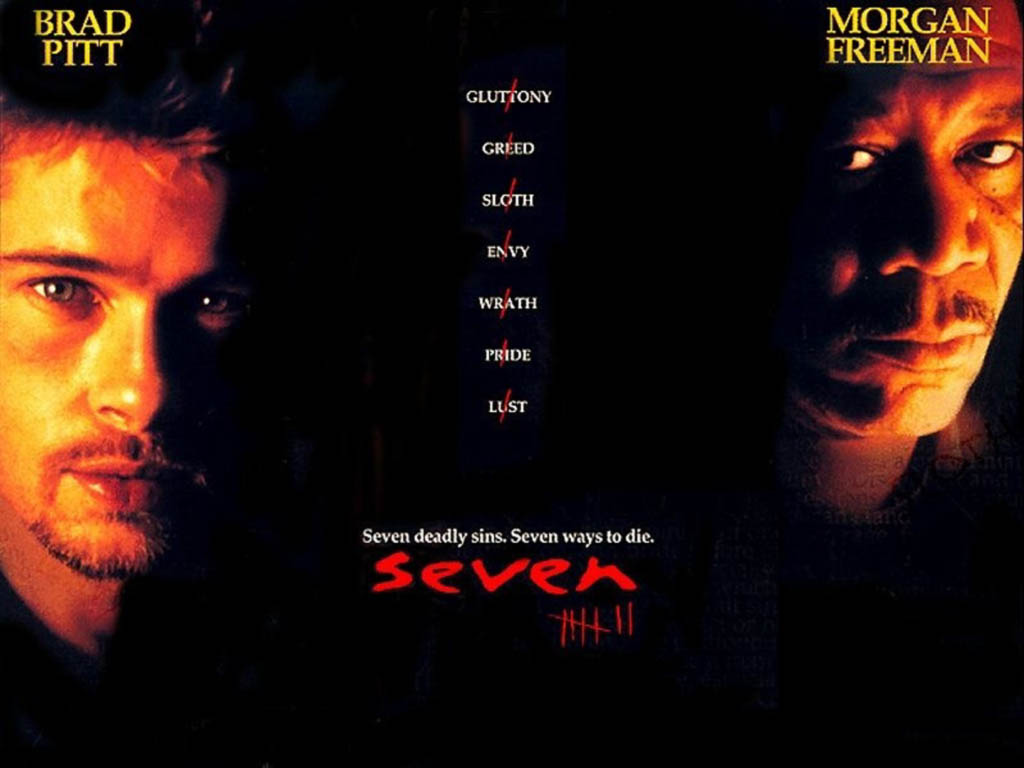
Other things happened too and they, too, were nice. But lately I’ve been quite forgetful for some reason, so I wouldn’t be able to tell you what they were from the top of my head. Nothing I did alone, for sure. Scratch that. Travelling. Learning. Participating. Doing things like 7×7. Trying to devise ways to combat my demons. Those were the highlights.
Last year, when I was mentally preparing myself for Bulgaria, I had something coming up. Now I have nothing. I’m floating in limbo. I’m the master of my future and its slave, too. For the promises of alternate futures kill the excitement of the now.
Hey, I also wrote something about alternate calendars. Sometime around May. What would you be doing tonight if tonight wasn’t the end of a completely arbitrarily-marked period and the start of a new one full of—mostly false—promise? What if it was just another night?
It is just another night, isn’t it?
Maybe it isn’t. Or maybe it is! Especially if you want to pump out some goals for the year. It’s all in the mind, but that’s not a reason to dismiss the importance of new year’s, since some minds do place importance on things having distinct beginnings and ends. Some other minds are more cyclical in nature, but then that’s what the year is.
What the fuck is this rant? Am I writing things just to sound and feel important just like everyone else with their end-of-year-things is?
I… suppose. What else might the purpose of any such post be?
Obligatory musing on whether the person who started this blog counts as the same person who’s writing now. According to one of the latest VSauce episodes, the answer is no. Especially since it’s been seven years since that fateful night in Mytilini, no less, and every single atom of my body is allegedly different from its counterpart back then.
Obligatory confusion at the direction, lack of content and ideas as of late, as well as semi-long write-up on personal identity crisis that is reflected in blog, too.
Obligatory follow-up comment and notice that it’s not the lack of ideas, there’s always been plenty of those, in fact it’s the incredible soul-crushing plentitude of ideas and the inability to differentiate, my inability to resist distraction and simply devote myself, whether it be to an idea, as aforementioned, or a cause, or even people. In other words, I don’t put the work in and call it flexibility. It’s my personally most beloved and most hated characteristic. But could it be any other way? It’s all a matter of perspective, after all. Some people call me scatter-brained, some call me versatile or… an interesting person. In the most basic philosophical level at least, they’re not seeing a different qb.
Obligatory comment on how self-referential this all is. How post-modern of me.
Sometimes I want to see this place burn, the same way I’ve been having this urge lately to delete all of my photos. At the very best, remove Cubimension from the net, perhaps start over, perhaps not, tuck it away in some hard disk or USB stick next to the old MP notebooks, only for my own eyes to see and heart to recordar (to recordar, to remember in Spanish—maybe also Latin, I have no idea—is to pass through the heart again. That is what I feel happens when I truly remember, especially when *bleep*. Unless it’s a false memory, then it’s the brain’s vile work). At the very worst, simply delete all, forget all. Leave it to the Wayback Archive and the often surprisingly robust memories of friends and readers what shall remain of the past, my past, Cubilone’s past. Are we the same person anyway?
Obligatory reminder to not take myself too seriously. It’s not good for PR. Everybody’s taking themselves too seriously and I’m different, aren’t I. Or if I’m not, I know I can be. A unique voice that could, in the sea of unique voices that in unison is showing intelligence but the only signs of intelligence it’s showing is self-consciousness, while forgetting it’s a liquid, instead acting as a collection of vaguely connected assortments of molecules occupying space. That’s what gases are, aren’t they? They work kind of like liquids, but they’re, heh, farts in the wind. Remember, keep it light. Light but flammable, if possible.
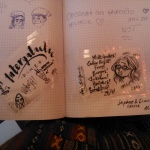
Thought you knew the real origin of the name Cubilone? Well, you thought wrong, because in the following video I reveal all for the first time.
Jokes aside, I prepared this video as part of the online preparation for the upcoming training in Olde Vechte in the Netherlands, the same place I did I SEE GREEN in February-March 2013 and REDUCE, REUSE, RECYCLE in November of the same year, for which I never wrote anything of note as far as I can recall, so clicking on the words will do nothing particularly significant.
Supposedly, this video is for presenting myself to the rest of the international group and what fulfills me in life. That was the mission. Do you think I managed to do it? I set off with high expectations but the impressions I’ve got from other people (apart from you Daphne and Mario!) have left me wondering. I can certainly say I had high expectations from the idea, and still do (the things I can write about Cubilonia! I could fill books with interesting things about that place) but I’m disappointed in, you know… why should I do it?
Looking for inspiration; maybe find it, proceed to let other people influence outcome too much; idea that felt awesome looks ridiculous in the space of a single hour when faced with awkward reception and blank stares. Artists shouldn’t listen to what other people think. Right? Artists and creatives don’t create for anyone but themselves. Right? Self-expression is of top importance. Right?
I recently read two of Mr. Greer’s books, The Long Descent and The Ecotechnic Future: Envisioning a Post-Peak World. This review is for both of them, as they made me feel and think more or less the same things. For your information, both share the same ideological and theoretical ideas, but they were different in some aspects: The Long Descent’s explanation of what the myth of progress is and how and why it came about I enjoyed more, while it was the practical information, tips, guidelines, the rough sketches of the direction humanity should/will be taking in the next few decades or centuries and the different aspects and challenges of life in the future that I thought were exceptionally valuable in The Ecotechnic Future.
Some have expressed the problems of The Long Descent as in this review, especially related to the more practical aspects of recycling old technology. If you disregard these problems, or are willing to accept them for what they are or look into them for alternatives, these are tremendous books that serve as manuals on theoretical, philosophical and practical levels on how to perceive what’s imperceptible for most people in the present, prepare for the future and predict what it might look like and understand history in a different way which would raise plenty of eyebrows.
Nevertheless, Greer’s argument is incredibly solid. He presents the myth/religion of progress, the inevitability and unavoidable reality of the long peak-oik collapse and the fact that any suggested workaround that comes from the same “myth of progress” mental space as void of meaning and practicality, so convincingly, so eloquently, so overwhelmingly… I have few words left to express without exaggeration my level of admiration and approval I can show to this man.
He may be a druid (just adding it here because for some people it’s a minus, for me it’s a plus), he may have chosen to live without a cell phone or never tried playing video games, he may be “anti-science” or “anti-progress” (silly words coming from people who don’t but superficially grasp the meaning of these concepts), but few times have a I read the work of a man more in line with what I understand the true scientific spirit to be and only rarely do I come across the writings of a person who’s done his or her homework so deeply on what he or she’s purportedly against.
I’m serious. This is a challenge for you, if you’re up to it: persuade me that the points raised by these books and Greer’s work are moot. I can tell you from now that if you try you won’t be able to and will most likely resort to some variation of the typical “it will sort itself out/they will figure something out” or “it’s the next generation’s problem”, that are the popular ways of handling the prospect of the decline of industrial civilization today.
Mr. Greer’s work is not for everyone, but in my view it should be: almost every person living today, especially if their age marks them as young, would benefit from experiencing looking at industrial society and civilization through the prism future generations, who will live by scavenging iron off skyscrapers, to give one particularly memorable prediction off these books, will judge us by. It’s quite a revealing, shocking but also strangely rewarding experience.
The matters laid out by The Ecotechnic Future and The Long Descent form a significant part of what has been bothering me lately and will most likely influence my future decisions. For that I’m grateful. Not happy, at least not yet, how can one be happy when he or she has realised the profundity of his or her own uselessness, but grateful nevertheless.
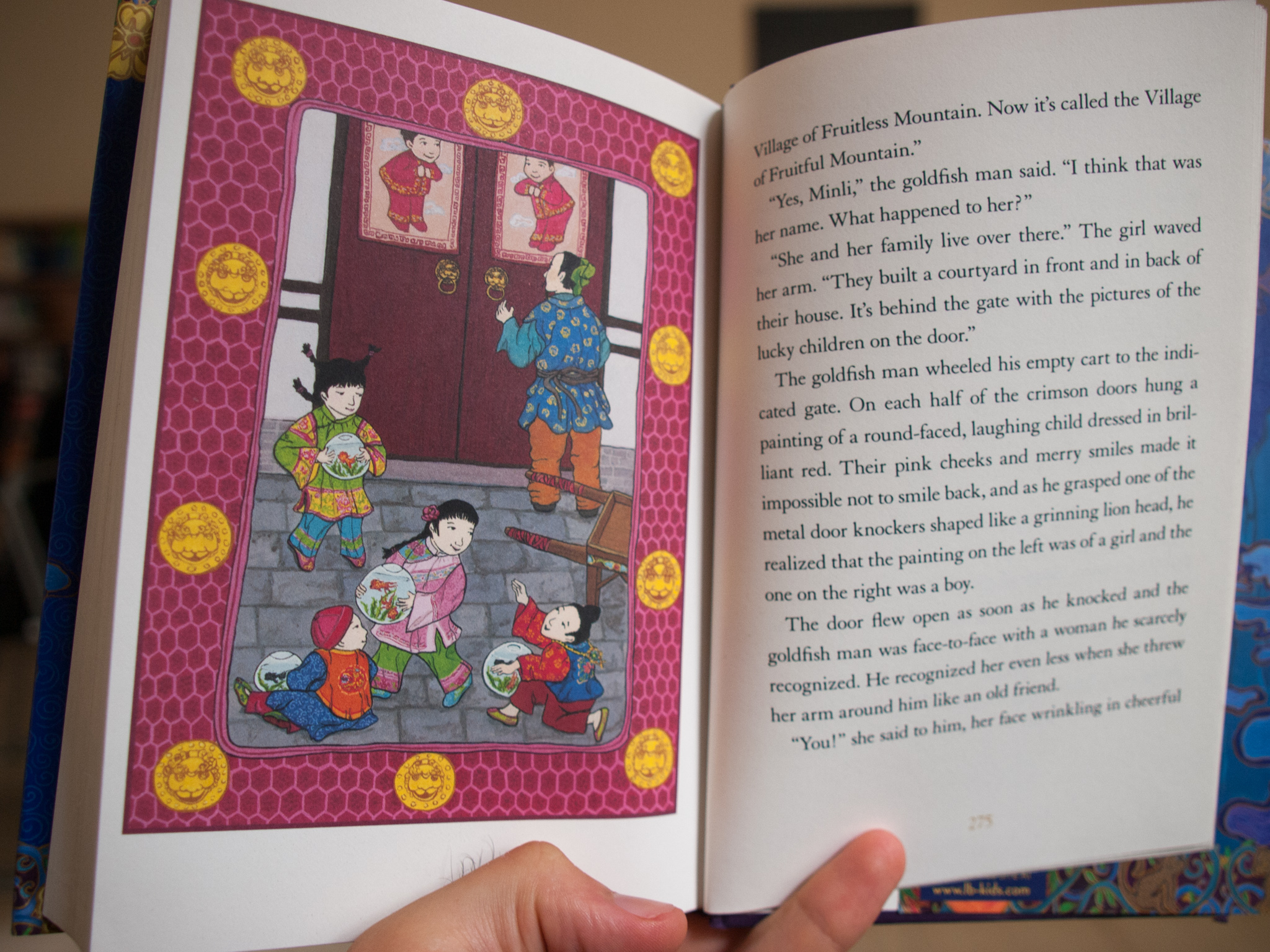
Maria, my former Danish colleague in Sofia City Library and fellow EVSer/roomie, suggested I give this one a shot after she had given me The Tale of Despereaux to read. With that book, we both agreed that it was horrible. We were in agreement about Where the Mountain Meets the Moon, too; with the only difference that this one was actually good. Very good.
Here’s a beautifully illustrated children’s fairy tale inspired by Chinese legends and folk stories. It’s been a few months since I read it now so I don’t remember very well–I’m finally writing this review since I’m currently right here in Denmark visiting Maria and so was inspired to stop postponing it. What I do remember is that the stories themselves are excellent, well-written and with messages I would like my children to come away with, were they ever to read this book (and, first things first, come into existence).
Maybe I’m rating it so highly because after reading Despereaux I was… ahem, desperate for a good book and a good story. I couldn’t have hoped for a greater contrast between Despereaux and this, which only fueled my flaming dislike for the former. This is what children’s books should be like: inspiring multicultural folktale curiosity, well-illustrated, well-meaning, well-everything. I have only praise for this exquisite book. Bravo, Grace, and thank you. Excellent cover too.
Watched this movie with Daphne in Aello a few days ago (Wednesdays and Thursdays it’s two tickets in the price of one, check it). Generally I don’t do film reviews unless I feel like I have a very specific thing to say, so in this case I’m not going to write one, because this movie didn’t leave me with any feeling in particular apart from “meh, Nolan’s making progressively less interesting films based on more and more interesting concepts.” And to think he used to be one of my favourite directors… The final scene in particular…
Um…
The soundtrack was pretty good. Have it play in the background and make your day a little bit more transcendent/epic/worthy of a Nolan movie.
Two reviews of the movie that mentioned some of my other unpindownable quotes of Intersteallar:
Got this from Audible. Actually, no: I got it for free as a kind of gift for being a subscriber but got tired of Audible and its DRM bullshit so I downloaded and listened to a pirated version of this and subsequently unsubscribed from Audible. Ahem.
In this surprisingly old book (it was written in 2002) journalist and plant aficionado Michael Pollan takes the well-worn trope of humans using the evolution of plants for their own benefit (i.e. agriculture) and turns its on its head: what if plants have actually used the evolution of humans for their own benefit?
Just to clarify, and Mr. Pollan was well-aware of this too, anthropomorphising evolution or nature and endowing it with such properties as intelligence and design (or intelligent design) is a figure of speech: as far as we know evolution is as purposeful as the flowing of the rivers and the burning of the stars. I’ll leave that one to you.
Botany of Desire
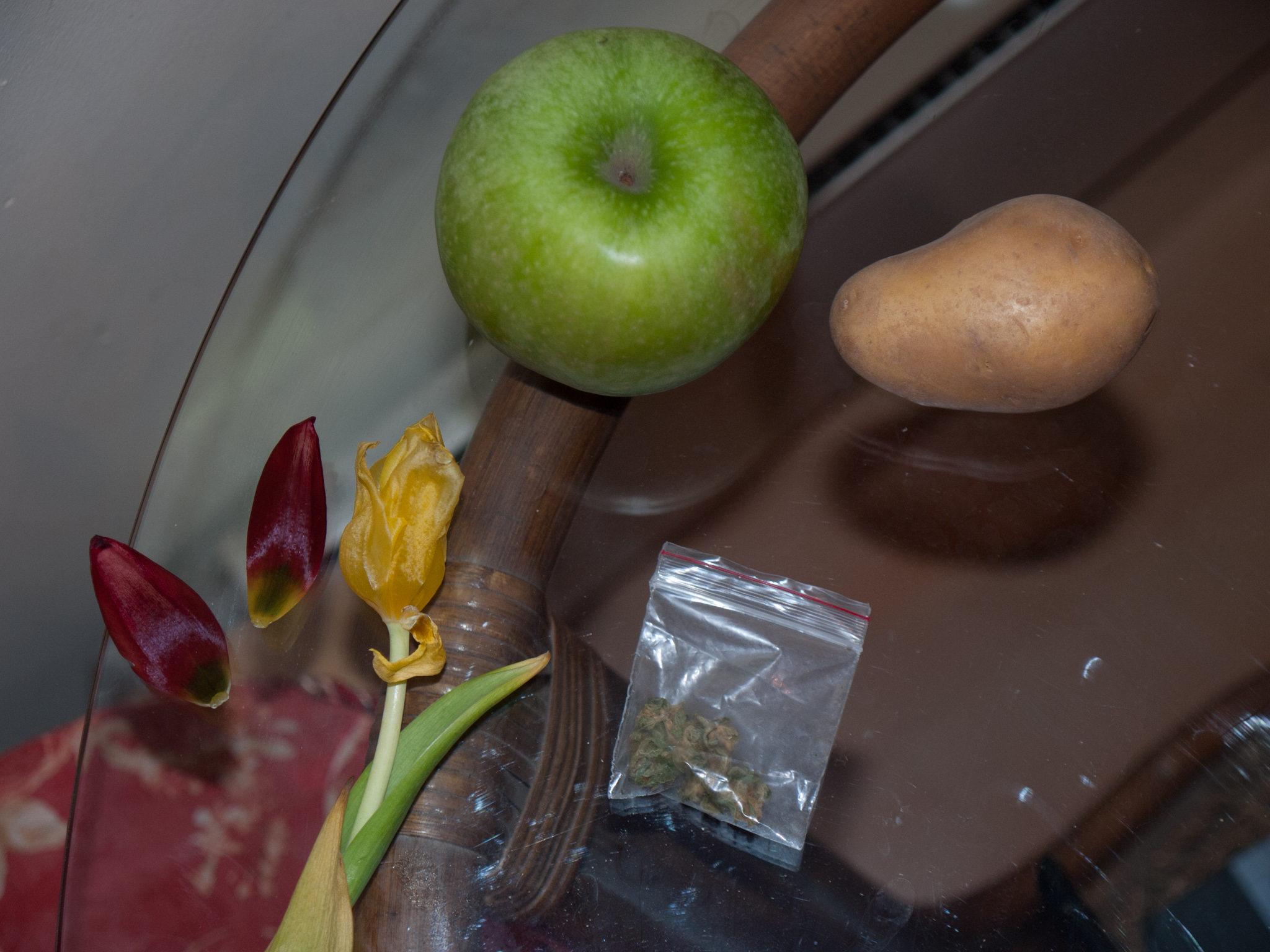
So, Michael Pollan’s idea was to take four species of plants–the tulip, cannabis, the apple and the potato– and examine how not just we humans have used them for our own needs, but also how the plants themselves, in an evolutionary tango with our own species, played on our desires and took advantage of us, too. The book has four chapters, one for each human desire responsible for the propagation of each of the four species of plant: sweetness for apples, beauty for tulips, intoxication for cannabis and control for potatoes.
“Great art is born when Apollonian form and Dionysian ecstasy are held in balance.”
In the first part of the book, I enjoyed Pollan’s comparison between the Dionysian and the Apollonian; chaos and order; female and male; yin and yang; nature and culture; the apple’s story and the tulip’s story, which both hold the sperms of their opposite inside them, in true dualist nature. I found this quote particularly interesting: “Great art is born when Apollonian form and Dionysian ecstasy are held in balance”, and it becomes more and more relevant as one goes through the book, seeing in every plant’s story the art manifesting itself through the tug–which at the same time is a balancing act–between human structures imposed on nature and nature’s tendency to defy control. Then there’s structure in nature’s chaos and a part that is natural in human structures and so on.
The chapter on cannabis was a little more daring, given marijuana’s legal status (which is, however slowly, changing around the world) and Mr. Pollan shares his insights on that topic and how human societies brought a species underground, where it’s found new life, too. The Apollonian has won, even though the desire itself is Dionysian. Hm. Are all human desires Dionysian, I wonder?
The last chapter was about GMOs and Monsanto’s control on patented potato seeds, including many many other agricultural plants of course. It’s amazing and telling that this chapter, written 12 years ago, seems to sketch the current situation so eloquently. Even though I come from a family background which is 100% anti-GMO, the arguments posited here about the pros and cons of GMOs as well as the pros and cons of organic agriculture seemed very well balanced and neutral to me, and most of all well-argued; in a few words, as close to an objective view as I could hope for. It’s still pro-organic, but cleverly so: it adds an interesting twist from a philosophical, pragmatical and experiential perspective–e.g. the story of the writer’s own batch of GMO potatoes. I would even suggest reading this chapter alone for a nice eagle’s eye view of what’s wrong with GMOs, what they’re supposedly trying to solve and why they’re most probably not going to solve it, creating other unforeseeable problems along the way.
Pollan managed to blend personal experience with journalistic research quite seamlessly and enjoyably, and I feel as though I came out of this read listen more complete and with a greater sense of appreciation for agriculture. Cause you can’t have agriculture without culture. I’m not giving it five stars because… oh I can’t come up with a reason, but hey, I don’t have to give you one, it’s my gut score! It might have to do with the reader of the audiobook whose voice and intonation sometimes annoyed me. I’d give it a 4.5 though, easily.
Thanks go to Karina for first telling me about this book two years ago or so.
Got this from some gog.com sale and left it unplayed for much too long like most games bought in truckloads for cheap, which is the fashionable way of purchasing fresh electronic entertainment, at the very least for the PC.
In a way, it’s quite incredible that this piece of work managed to become as famous as it has. It was declared indie RPG of 2011 (released exactly three years ago, hm), won Gamespot’s Award for Best Story of the same year, has appeared in Humble Bundle, GoG and other services and generally… it’s been talked about a lot.
Why is it incredible? The game has the feeling it could have been a university project made by an undergraduate in game design. It’s very indie, and not in the hipster sense, as is for example Sword and Sworcery EP–it’s the b-movie kind of indie. The characters are indie. The story is indie. The gameplay is… yep, indie, in the sense that there’s very little of it, which seems to be a respectable, if not slightly self-defeating, trend within the bounds of the independent gaming scene. To be honest, this game is not an RPG in any way, even if it was made in RPG Maker XP and somehow won the award for the genre in 2011. Scratch that: To The Moon is hardly a game at all. That said, perhaps the mere fact is its greatest strength.
What I enjoyed:
• the plot reminded me of and was obviously inspired by Eternal Sunshine of the Spotless Mind, which happens to be one of my favourite movies ever: one part science fiction, two parts emotion, half a part (or so) quirk; • it was short:in a world where story-driven games are typically much longer than your average novel but rarely pack even half the punch, To The Moon kept it short and sweet; • the original soundtrack:probably what To The Moon became most well-known for, this game is quite a unique case in that one of the composers was its director as well (Kan Gao)–that’s some auteurship right there (music sample); •that 16-bit style reminded me of all the similar games I never finished–looking at you, FF6 and Chrono Trigger… will I ever know if their endings were any good? • “Every star is a lighthouse…” That was a beautiful image.
What I didn’t enjoy:
• the humour! Too millennially, too redditty. Don’t get me wrong, I can enjoy my lolcats, sure, but you can actually be funny without resorting to memes and gaming pop culture all the time; • gimmicky gameplay, or what little there is of it: maybe it would have been better as a visual novel; • the plot was basically animé melodrama; okay, it’s an interesting foray for the medium, but really… I mean [SPOILERS], only in anime do you have these life-long relationships that begin in early childhood;
•the characters: they didn’t do it for me; it was more about the situations; •ending:see above. I can’t think of a single anime movie or series that a had a satisfying ending. Yes, it was sad and apparently it made a lot of grown men cry, but… but!
What I will remember:
• how it made me feel about my own childhood and lack of… well… • the portrayal of memory links: it was annoying to play through but it was an interesting idea;
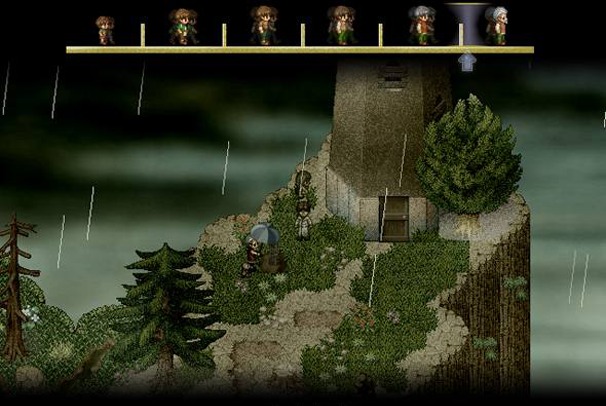
Age timeline: an interesting pseudo-mechanic
I would recommend it to everyone who:
• is interested in what else games can be today, what the next frontier for the medium could be. In other words, a game doesn’t need to be a game. Hell, we don’t even have the necessary vocabulary for all this yet!
• thinks that one has to be a genius at programming and/or art to make his or her own game; no, people: all it takes is an idea or a message one feels the need to express, a basic tool and dedication; then it might go on to become a success out of nowhere, who knows? Again, this could have been a university project!
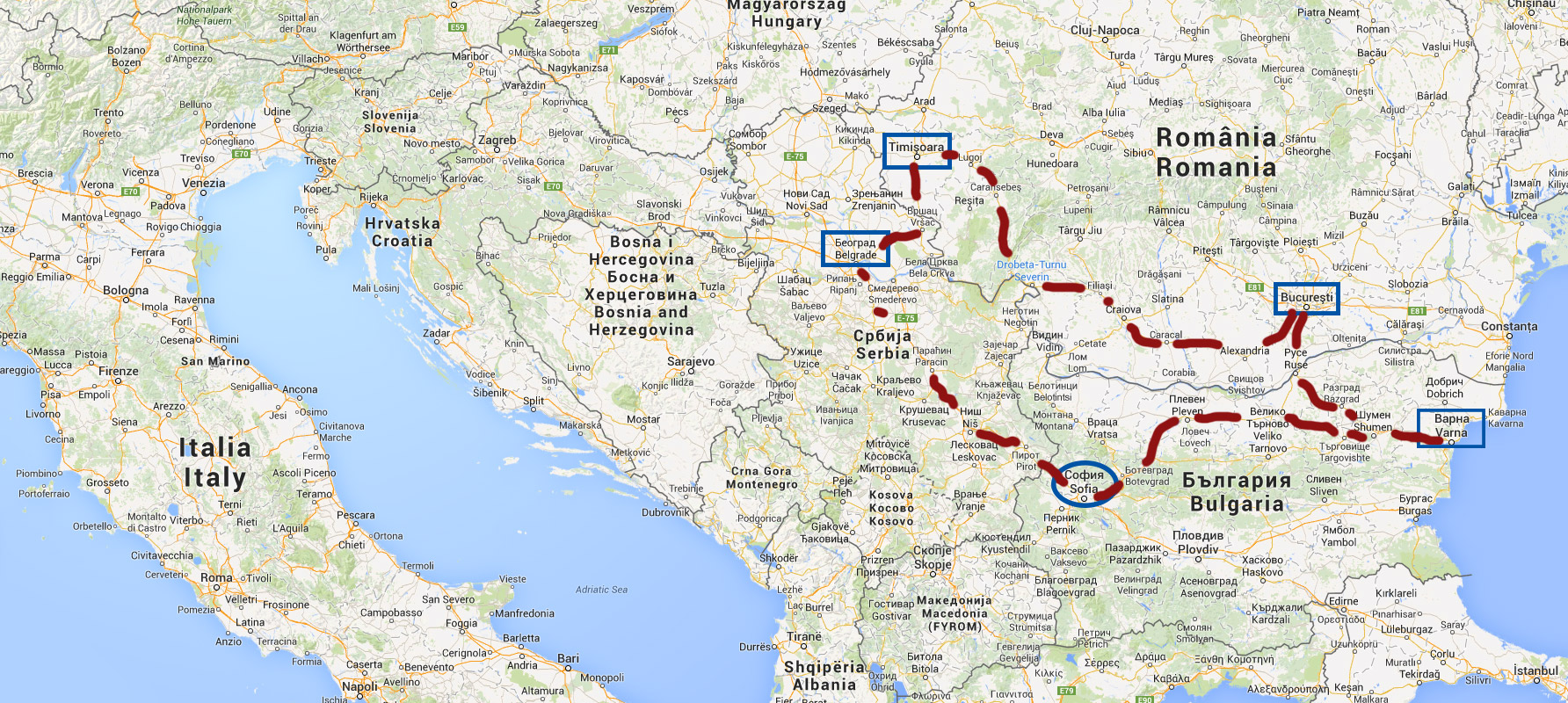
In the beginning of October, Daphne and I got a Balkan Flexipass for travelling around the Balkans as a small end-of-EVS celebration and in order to take advantage of Sofia’s good position for travelling in the Haemus peninsula before leaving, or at least for the time being; it’s “for the time being” cause I’m certain I’m going there again soon, and not just to visit the friends I made there who now chose to stay. There’s something about this country… but that’s for another post coming soon.
Anyway, the Balkan Flexipass is a fantastic way of travelling in the Balkan countries: it’s something like InterRail but it’s only valid for… you guessed it, the Balkan countries, including Greece and Turkey, but not including Croatia for some reason. You can choose five, seven, ten or fifteen days of unlimited train travel within 30 days, which is how long the ticket is valid for. The cheapest 5-day ticket, the one we’d been abusing with Daphne to travel between Bulgaria and Greece last summer, comes for 56€ for youth <26–at which age apparently young people stop being young and no longer deserve discounts.
To reiterate: you can travel from Greece to Bulgaria and back with the five-day ticket twice (if you do it in the same month) and still have a day to spare–all for the price of what you’d normally pay for the bus just one-way. It’s an amazing deal and it’s not well-known, so I would strongly, strongly recommend you check it out. Even if you’re over 26, the price would still be about half of what you’d have to pay for taking the bus.
Note: the above links are for 1st class tickets, unlike the cheap tickets we got which were 2nd class. You can get the cheaper tickets at your country’s rail service’s international offices, e.g. OSE’s office at Sina 6 for Athenians. You can also have a look at this .pdf issued by BDZ (БДЖ, Bulgaria’s rail service) that has the complete price list which is the roughly the same across all countries. Note that the price list is in leva (2lv≃1€). Some useful translations: младеж = youth, възрастен = adult, Сеньор = senior, 2 класа = 2nd class
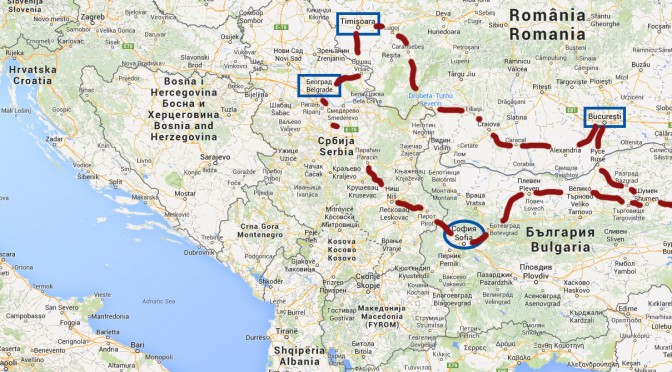
We set out on October 9th and returned back to Sofia on the 18th. We visited Varna, Bucharest, Timisoara and Belgrade along the way, spending two nights in each city apart from Timisoara, where we only stayed a single night, and another two nights on night trains; out of those seven nights spent in cities, we couchsurfed on four of them (props go to Nikolae and Georgii for their hospitality, thanks guys!) including the night we were hosted by Mela, a Romanian girl we got to meet in November last year in the youth exchange Reduce, Reuse, Recycle in Ommen, Netherlands. It feels so good getting to see people from youth exchanges again… It’s the only way to show that it really isn’t “goodbye”, but rather “see you soon”, the way we reassuringly like to tell ourselves. Still so many people around Europe I’d like to see again as soon as possible…
A small personal observation: nobody’s good at saying goodbyes, but everyone’s comfortable admitting to the fact. Maybe it’s a dying skill, lost in everyone but few in today’s liquid life, like cursive hand-writing or film photography.
I’d like to write a lengthy post about all the things we did and all of our experiences, not least as an opportunity for me to write them down and in this way reinforce my memories of them, but I suppose it would be counter-productive and nobody would read a long essay on my travels. Instead, here’s a small list with highlights:
Varna
The beautiful and super-long early-20th century-style beach park on the Black Sea coast (with a dolphinarium that made me sad by its mere existence). The lighthouse and the looong breakwater reminded reminded me of Mytilini; the high-rise residential buildings and the industrial port on the other side didn’t, though.
The giant falafel place (the falafels were giant, not the place) in the central square: 400g of goodness for 4lv.
Our tech-savvy and collector extraordinaire newbie couch-host Nikolae who bought us food and tickets for getting around the city and refused anything in return!
Timisoara
Just spending the day with friendly and familiar faces was deeply enjoyable. That pizza though…
Belgrade
Amazing people! Everybody knew English, was happy to help and… gasp… they smiled at you!
Sun Hostel. Recommended! We have a 25% discount for the next time we stay them and for anybody we might be bringing along with us. What are you waiting for then?!
Such history, much fortress! wow!
The city felt a little bit like Athens, only prettier. Let’s face it: if Athens didn’t have Plaka and the area surrounding the Acropolis, it would be a bleak city indeed.
Be careful: everyday costs, eating and going out etc can feel deceptively cheap with all the prices in dinars and 120 dinars roughly equaling 1 euro. Beware, however: it’s no cheaper than Sofia. In some cases it’s even slightly more expensive.
Intergalactic Diner! We had dinner (veggie burgers and milkshakes) and breakfast there. Daphne absolutely fell in love with it.
Belgrade was hands-down my favourite stop in our little Balkan tour and I’m already planning to return for millions of tiny heart-warming reasons.
Finally
Each of us spent around 200€ for this trip–in my case less cause Sofia City Library paid for my Balkan Flexipass: the final destination of my ticket back was my home city, just like the EVS protocol says, so who cares how many stops there were in between? MANY thanks go to our hosts who fed us, gave us shelter, treated us well and helped us keep our budget low. They will probably never see this post…
If it wasn’t for Daphne, you wouldn’t be seeing most of the videos and the following beautiful photos from this trip. She bothers with pictorial documentation when I… *gasp again*… don’t feel like doing it so much anymore. But then, later, after the trip is over and our boots made for walking are lying on the familiar floor, I’m happy that the pictures are there. And I’m even moreso because they’re pretty to boot. So… Go Daphne!
Seriously, everything you know about the Balkans is wrong–even if you live here.
We did a qbdp episode about this (in Greek) but who knows when it’ll be out? When it’s ready (and it’s ready when it’s ready!) I’ll post a link over here.
Setting out for a 1000-mile journey takes but a single step. Or a stupid face.
Booyah!
Treme drakokyra!
Varna Central Station. Much better than the Sofia one.
Sometimes people just restore my faith in humanity.
YoHoHostel kitchen sink.
Mytilini? No, but close.
Looking through the wall.
Varna Breakwater Grafitti
I wouldn’t mind having a dog like Georgii’s adorable Encho.
<3
Georgii’s Paradise
Bucharest
Materials
Kateritsa
In case you’re feeling anti-social, the iBench is for you.
No comment
What is it with post-communist countries and beautiful parks?
I forget where this is from!
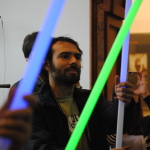
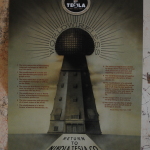
Nikola Tesla Museum–Tesla Coils + Lightsabers = <3
Mr. Testosterone 2014
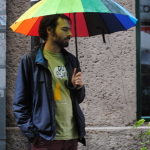
My rainbow ass-pointer.
It’s dangerous to go alone, Daphne! Take this rainhat!
Serbs love their Putin.
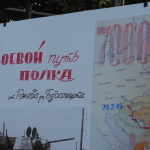
I could look at historical maps of the Balkans all day long.
Meanwhile, in Belgrade…
Omelette with truffles. Daphne’s choice.
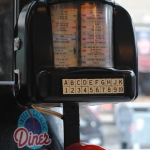
Intergalactic Diner Jukebox
Daphne can make everything prettier.
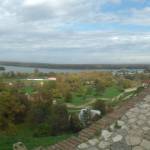
The view from Belgrade fortress.
Serb felines Mao and Blacky. Cats are a universal language.
If you wanna feel rich, go to Serbia, where they even have a 10 dinar note (~0,08€)
Found out about this book from the You Are Not So Smart podcast and read it on my Kindle.
It reeked of a mechanistic, sterile, matter-of-fact “you are your brain” worldview which I must admit I’m tired of and find boring, but I should have expected as much since You Are Not So Smart comes from pretty much the same mental place.
I don’t find fault with the idea that we don’t have an integral self; obviously, just like Bruce Hood thoroughly and with rich supporting bibliography demonstrates in this book, we’re largely shaped and influenced by our surroundings, our society and our biological limitations, first and foremost those of our brain. But that doesn’t mean that the notion of self is an illusion; rather, it means that the self is not a constant and that it is mutable. In fact, in which case would the self not be an illusion? When would we be in a position to say that the self is a real, concrete, quantifiable thing?
It seems to me that Mr. Hood’s proposition could have just as easily been called “The Soul Illusion”, for his assumption of what a self looks like–or should feel like–closely corresponds to our, for better or worse, highly intuitive notion of what a soul is: an immaterial cohesive agent between all of our experiences, thoughts and actions that creates a feeling of identity. In other words, the definition of the “me” in “I am me”. But is that what the self is, what it should be or all it can be? Is it possible to define what our selves are differently? In “I am me”, who would be the “I”? Who is the consciousness, like Eckhart Tolle would comment with his ultra-calm voice? Who is it–what is it–that reads this book and goes “huh, so I’m an illusion”? You might argue that the sense of self and consciousness are two separate things in order to question my qualms with the central point of the book; “precisely!”, I’d exclaim then, happy that you could intuitively grasp my point.
All that said, I’m giving The Self Illusion three stars instead of two because I must admit that it is well-researched, well-written and has plenty of interesting case studies of various psychological and psychiatrical disorders, “nature vs nurture”, sociological phenomena etc that do a good job of proving that the concept of self, or at least what Mr. Hood understands it to be, is an illusion insofar as it’s highly unpredictable and dependent on environmental and social factors. I particularly enjoyed reading about babies and how their brains develop and about conditions such as Tourette’s and how miming, laughing and facial expressions work in socialising and the development thereof. All this is interesting and rich from a clinical perspective, so it’s worth reading if you’re out to come closer to understanding how the human brain works–a task I personally believe to be impossible anyway. But if you’re not convinced that the brain is responsible for every little thing a person does, thinks, or thinks of doing, in view of the evidence that, contrary to what Mr. Hood quite often and emphatically repeats in the book, does exist, this book will provide little insight.